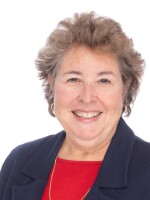
Rosina Snow lives in a small house with her husband and kids.She works for the Local Energy Alliance Program or LEAP and often recommends customers consider solar power to bring their energy costs down.
“I hear people say, ‘It seems to be too good to be true.What’s the catch?’ and there really isn’t one.”
But until recently, Snow and many other Virginians couldn’t access solar energy.
“I’m a renter and rooftop solar is not a possibility for me.”
About 35% of Americans can’t install solar panels for that reason, because they live in apartments or condos, are in the shade or have rooftops that aren’t suited to solar panels.
“For those of us who are homeowners, we have a lot of options.We can get better windows, put insulation in, get better appliances, swap our better lighting,”
Brandon Smithwood is with Dimension Energy, a company that builds what’s known as community solar -- arrays on up to forty acres.
“These are not small projects you see on someone’s roof or on a school. These are also not the large, thousand-acre projects that we see across Southside and central Virginia.These are projects that can fit on a farmer’s back forty or on a warehouse roof.”
Residents who sign up for shared solar can save – on average – ten percent on electricity. The state had, initially, capped the amount of community solar that could be built in Virginia, but Governor Spanberger suggests expanding caps or getting rid of them altogether.

Rosina Snow is delighted that more people will be able to access the power of the sun.
“It’s both the interest in lowering energy bills, which have been going up a lot and being able to benefit from the cheaper, cleaner energy that solar provides.”
And Brandon Smithwood says the timing is good.
“You know the federal government has been rolling back assistance to folks just at the time they’re having a harder time paying their electric bills.”
The company he works for partners with local firms to install solar arrays – building fences around them and roads that provide access before putting-in panels. Smithwood says each project employs about thirty people.