When Donald Trump won his first term in office, many political scientists were surprised, and they concluded Trump’s victory was linked to financial troubles caused by the sub-prime mortgage crisis and the recession that followed.
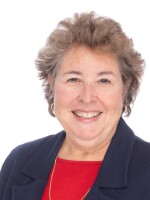
“One of the hypotheses put forward was this angry voter hypothesis – which said that when people are struggling, they might feel disaffected, and that might encourage them to go out and vote – to make their voice heard at the polls," says Professor Ben McCartney at UVA's McIntire School of Commerce. "When people don’t like the direction that the country or the government is heading, they can go to the polls and change the direction that the ship is sailing."
He says that has now become popular wisdom in political circles, and for some people it’s true, but McCartney cross-referenced 11 million registered voters with deeds, and found folks whose homes were now worth less than what they owed on a mortgage were less likely to cast a ballot.
“The first paper that I wrote looked at people who were hit especially hard by the collapse in home values, and I found that they were less likely to vote. It was especially those who had bought their homes with large mortgages, who had spent a ton of money on an asset whose value had just collapsed. If you are really worried about not being able to make your mortgage, or you’re worried about the value of this major investment, then you might say, ‘Look, I’m going to focus on these priorities, and I’ll get around to voting next time," he explains.
In other words, they had more pressing problems than to research who is running for office and where their polling place is.
Next, McCartney hopes to track people who’d like to buy a property but can’t afford one.
“Housing has become increasingly unaffordable, and this is another kind of financial hardship that people face. I wanted to buy a house, but I can’t afford it. I don’t know what that does to civic engagement. I’m absolutely interested in trying to uncover that.”
In the meantime, he says, policy makers should not make voting more difficult. If we’re serious about holding onto our democracy, we need to make voting easy – even for people who are struggling financially.